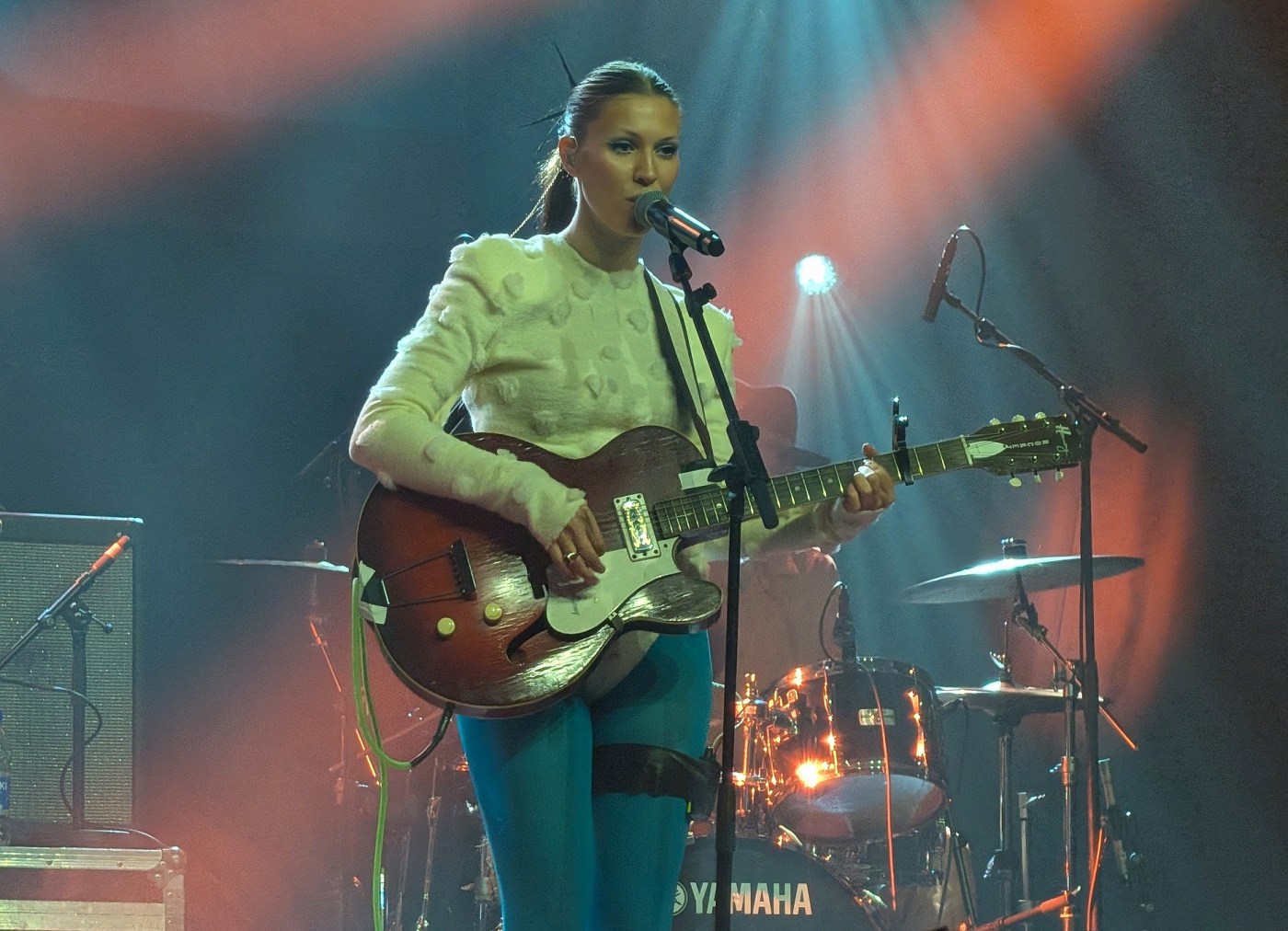
After taking a year off to regroup, I was back at Iceland Airwaves, kicking off the month of November in the Icelandic capital city of Reykjavík and wondering exactly why missing the 2024 edition was a good idea, as it remains – however clichéd – unquestionably the coolest music festival on the entire planet.
Arriving via founding festival sponsor Icelandair, the five-hour and change trip to Keflavík airport was a cakewalk compared to even shorter destinations in the States. The airline has the journey down to a science at this point, providing a tranquil trip even when arriving just before the sun rises. Grabbing the 45-minute Flybus from there is the easiest and most economical way to get to downtown Reykjavík, which is where all the magic happens.
Despite getting in at an ungodly hour, it was all feet hitting the ground running last Wednesday as the annual opening ceremony for Iceland Airwaves takes place in the early morning at Grund, a nursing home in Reykjavík. President of Iceland, Halla Tómasdóttir, gave a brief speech that centered on music being the catalyst for bringing people together in a time of such worldwide tumult.
Intentionally or not, the attendees at the ceremony echoed her comments, with elderly residents mingling with a class of preschool children who were brought in to see the first performers of the fest, as singers GDRN and Bríet each did a few songs. The two local talents would have much more pronounced gigs in the days to come, but they were both gleeful in their duties of kicking off the fest proper.
Now in its 26th year, Airwaves has seen its share of ups and downs, once loaded up on international acts and big names, then having difficulty in striking a balance between drawing in festivalgoers and staying true to its original, DIY format. And while it will become clearer with the passage of time, this might be one of the years looked at retrospectively where the goal was exceeded and a new blueprint laid down.
Eight locations were given the nod as “official venues,” with standards like the culture house Idno, dive bar Gaukurinn, and the Reykjavík Art Museum among them, each serving up a variety of size and aesthetic options. And while the official sites required a wristband for entry, there were also many “off-venue” options, from record stores to cafes to restaurants, all of which were free to get in, as long as capacity wasn’t hit, which did happen frequently depending on the buzz a particular artist might be getting.
The best part is that Airwaves, and Reykjavík in general, are eminently walkable. It’s no big deal to get from one venue to another, and often people bounce around through the festival like it’s a musical buffet, sampling a few songs from this artist before heading over to catch a bit of that act, then grabbing a quick hit of another band – all within an hour.
The weather, always a wildcard, cooperated in full this year, with what you would expect from the capital region closest to the Arctic Circle. It was chilly, with very little rain, and sporadic sightings of the Northern Lights almost every night.
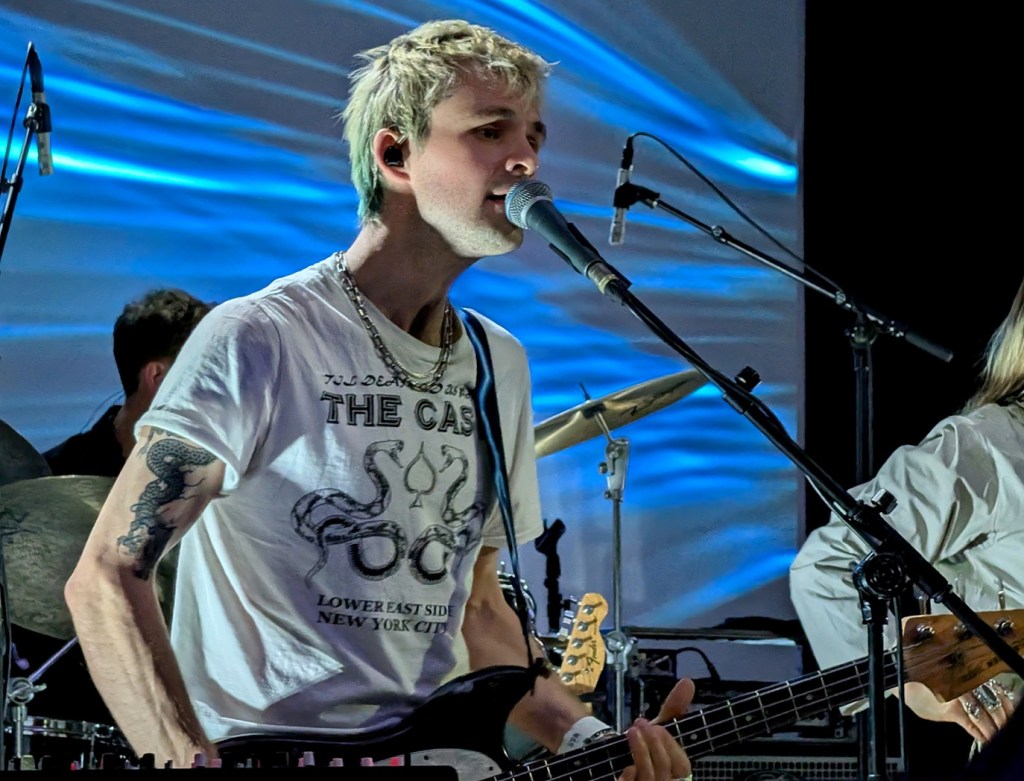
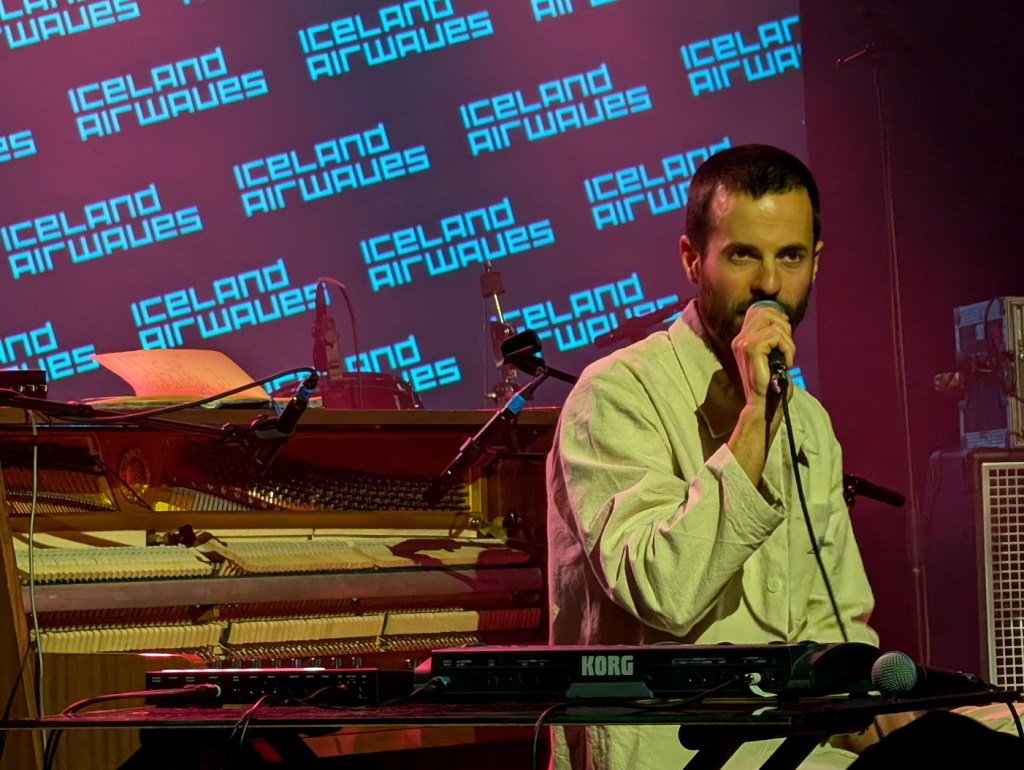
***
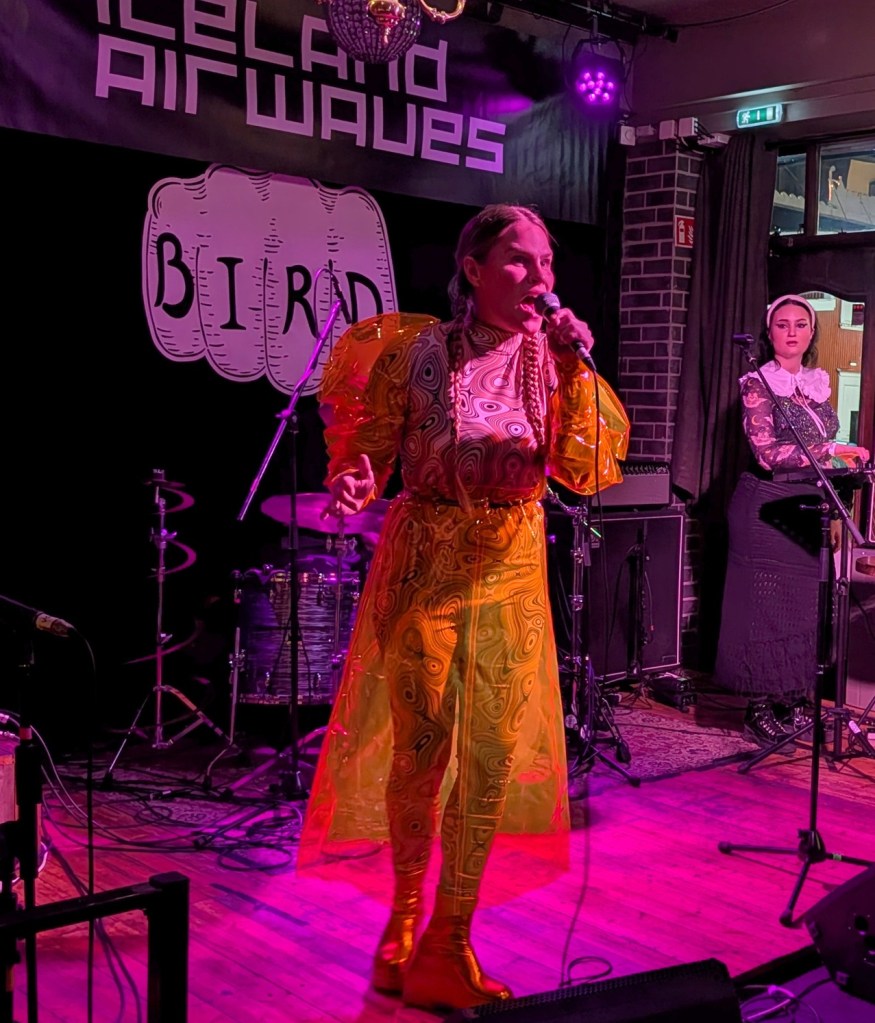
While there were many acts to be caught at the off-venues on Wednesday, the following night is when Airwaves really started cooking. At the venue Bird, which was sadly set to close for good post-fest, Sigrún looked and performed strikingly like a younger version of Iceland’s most well-known musical export, Björk. The similarities were undeniable in the art pop sound, and one that the experimental singer likely would welcome.
At the Art Museum afterward, Icelandic ensemble Valdimar blended indie with Americana and electro sounds for something unique, further bolstered by a brass section. A quick pop in over at Idno saw The Vernon Spring, the solo project of British composer Sam Beste, holding the audience’s attention even though he spent the bulk of his set with his back to them at the piano. The night closed with a glowing GDRN at the gorgeous church Fríkirkjan, as the singer, songwriter, and actress spent time behind a piano and at the microphone delivering a full set of gorgeous songs in both Icelandic and English.
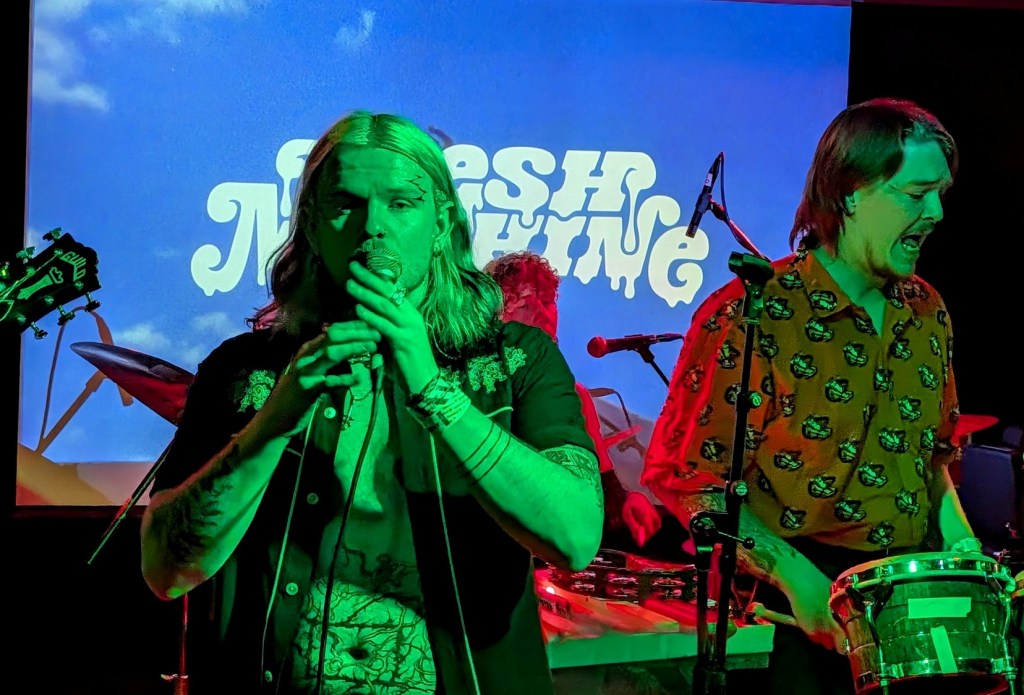
Word spread after night one that Icelandic groovy, good-time rock and rollers Flesh Machine were a sight to be seen. They shook the hard rock spot Lemmy the night before, but seeing the six of them packed onto the tiny stage at Bird on Friday was something to witness. Each one of the members is a wound-tight ball of energy, but none more so than the commanding Kommi, who looks like he was pulled from an AI command that instructed: “Build me a wild and magnetic rock frontman circa 1977 – and give him a messy blond mane.”
Across the street at Gaukurinn, the UK’s Baby Said continued the rock and roll. Led by Italian/Punjabi sisters Veronica and Jessica Pal, the group has created a good amount of buzz with ultra hooky songs like “Mean Girlz” and “Dead to Me.” They previewed a couple of new tracks, set for a to-be-announced sophomore album that promises to be more of the same with a sharper and seasoned approach.
Come Saturday, Bríet at the Art Museum made a lot of people’s “can’t miss” list. The Icelandic singer and multi-instrumentalist was celebrating the release of her first English-language effort, an EP titled Bríet – Act I. Led by the infectious single “Cowboy Killer,” which sounds like an outtake from when Jewel was really good, the record was spawned by heartbreak, giving an emotional heft to each song. Live, Bríet is a presence buoyed by a self-deprecating sense of vulnerability with a rough edge.
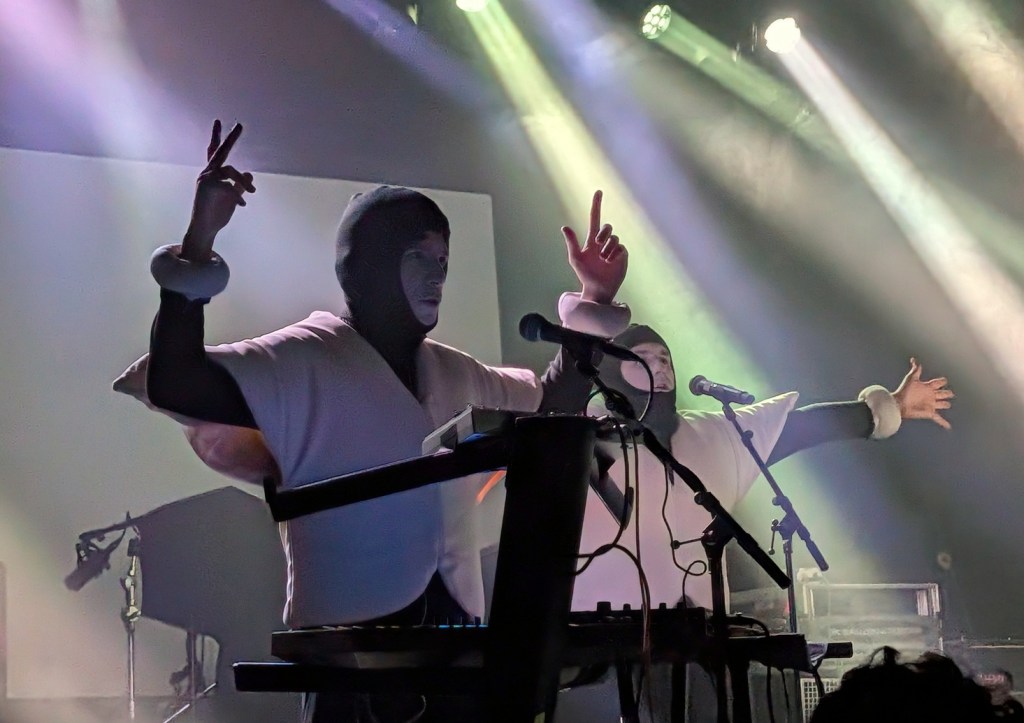
Back at the church Fríkirkjan, it was a no-brainer to see the ethereal and soothing sounds of Iceland breakout singer/songwriter JFDR. Then, toward the complete opposite end of the spectrum, cross traffic at Idno, there was Mainline Magic Orchestra, an electronic/house music trio from Barcelona, who were downright dizzying. Between the nonstop beats and bandmembers in whiteface, wearing all black bodysuits punctuated by a retro-futuristic white pointed tops that look like something out of The Jetsons, it was an assault on all senses that had everyone in the room dancing until exhaustion.
It was almost a respite to end the night with the dreamy, electronic pop of UK-based threesome Night Tapes riding high on the recent release of their debut LP, “portals//polarities.”
Sunday was meant to be a recovery day, a chance to enjoy one of the many natural or man-made hot pot pools or lagoons that dot the landscape, but the music had other plans. A decade since they dropped their last album, Múm put on a show at the premiere concert hall in Reykjavík, Harpa, as a partner event with Airwaves to celebrate a new LP, “History of Silence.” The indie-electronica five-piece hypnotized with songs old and new, including a surprise appearance by former frontwoman Kristín Anna.
It was truly one of those once-in-a-lifetime moments, as she danced languidly in the shadows of the multi-colored spotlights behind the band while they played the opening notes of “Green Grass of Tunnel,” the room hitting a fever pitch before she reached the microphone to sing the song. It was an exceptional way to end Iceland Airwaves 2025.
A version of this article appears in this week’s print and online editions of my syndicated Rock Music Menu column under the title “Back to Iceland Airwaves, still the coolest music festival.“
 The Chronicles of Michael Christopher
Leave a comment